

I absolutely adore these lines from the Lord Huron song What Do It Mean?
What does it mean if it all means nothing?
What does it mean if it all means nothing?
What does it mean if it all means nothing?
I’ve been reading Jean-Paul Sartre’s The Age of Reason, which might explain why I particularly fixate on those lines above. The novel follows Mathieu, a philosophy teacher drifting through 1938 Paris, paralyzed by his own freedom. He wants to be authentic, to live without self-deception, to make choices that genuinely express who he is. But every choice feels arbitrary. Every path equally meaningless. He’s trapped by the terrible realization that nothing compels him toward any particular way of being.
This is what Sartre meant by being “condemned to be free.” We don’t choose to be thrown into existence, but once here, we’re responsible for everything we make of it. There’s no instruction manual, no essential nature we’re fulfilling, no cosmic purpose we’re serving. Existence precedes essence. We exist first, then we decide what that existence means, if it means anything at all.
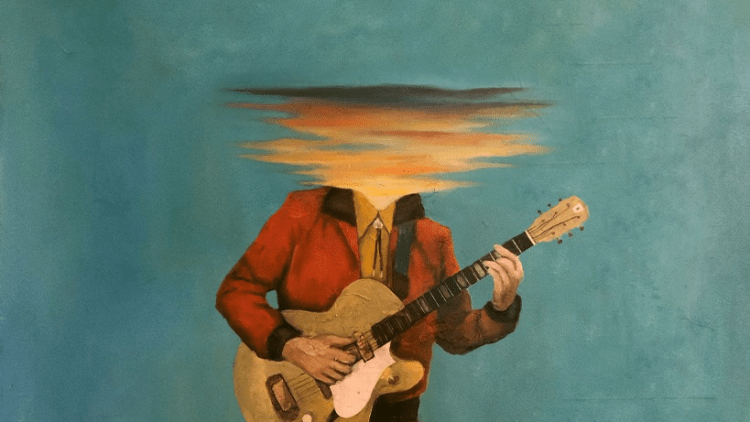
If nothing inherently matters, then I have to decide what matters. Every single time. I can’t fall back on tradition, divine command, what my mom said, natural law, or any other framework that would tell me how to live. I have to choose. And in choosing, I take responsibility not just for my own life but for the kind of world I’m endorsing through my choices. When I choose monogamy, I’m saying monogamy is valuable. When I choose my career over my relationships, I’m declaring that career is more important. When I stay in bed instead of helping a stranger, I’m announcing that comfort outweighs compassion.
Sartre calls the attempt to escape this responsibility “bad faith.” It’s when we pretend we’re not free, when we act as if our choices are inevitable or determined by forces beyond our control. The waiter who performs his role so perfectly he seems to become the role. The person who says “I had no choice” when they absolutely did.
Mathieu, for all his intellectual honesty about freedom, spends most of The Age of Reason in exactly this kind of bad faith. He wants to be free but won’t commit to anything that would actually express that freedom. He wants to be authentic but keeps waiting for some external circumstance to force his hand.
I recognize this paralysis. Once you truly accept that nothing has inherent meaning, that you’re the sole author of significance in your life, the question becomes: on what grounds do you choose anything? If it’s all arbitrary, why choose this over that? Why get out of bed? Why pursue any particular goal? Why care about anything at all?
What does it mean if it all means nothing? The question persists in the face of its own potential futility. Maybe that’s the actual insight. The question “what does it mean?” seems to be built into human consciousness at such a fundamental level that even recognizing the possibility of meaninglessness doesn’t make the question go away.
I wake up and immediately start constructing narratives. This day matters because I’m working toward this goal. This relationship matters because it’s teaching me this lesson. This setback matters because it’s building this quality in me. I can intellectually acknowledge that these narratives are self-created, that the universe doesn’t care about my goals or lessons or character development, and yet I keep narrating anyway.
Sartre might say this is bad faith, this constant meaning-making. But I’m not sure he’s right. Or rather, I’m not sure living in “good faith” is actually possible for creatures like us. We’re meaning-making machines. We can’t perceive raw, uninterpreted reality. We see patterns, stories, significance. Even when we try not to.
The existentialists say: accept that there’s no inherent meaning, then create your own through authentic choice and commitment. But what makes a choice “authentic”? What grounds could there possibly be for preferring one self-created meaning over another? If I decide my life is about art and you decide your life is about family and someone else decides their life is about accumulating wealth, on what basis can we say any of these is more or less authentic? More or less meaningful?
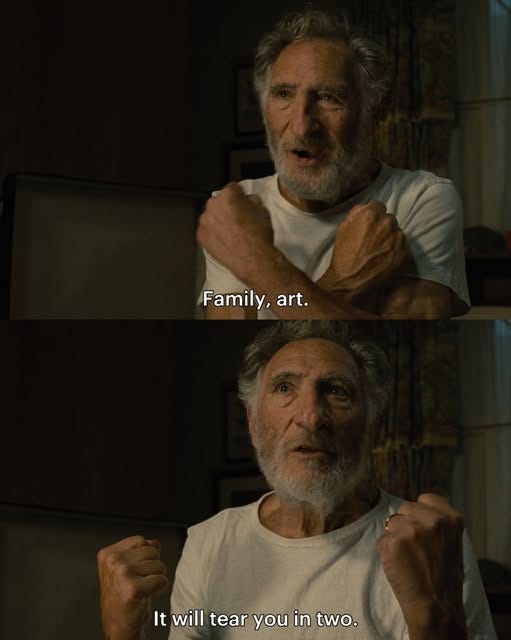
I don’t think Sartre is wrong that we’re radically free, that existence precedes essence, that we create ourselves through our choices. But I also don’t think we can simply embrace this freedom and move on. The vertigo doesn’t go away. We’re stuck in permanent dialectical tension between needing meaning and knowing there isn’t any, between making choices and recognizing their arbitrariness, between living as if things matter and suspecting they don’t.
This might sound bleak. It probably is bleak. But don’t you think there’s something comforting about it too? If nothing inherently means anything, then I can’t get it wrong. There’s no cosmic or divine standard I’m failing to meet, no essential purpose I’m betraying. I’m just here, making choices, constructing narratives, asking what it all means (even when it might mean nothing).
so well written (as per usual)
Love thiss! so well written.