

I’m currently reading Rousseau’s Reveries of the Solitary Walker, perhaps his most intimate and vulnerable book. Written in the twilight of his life, between 1776 and 1778, it stands as a meditation on what it means to exist in the liminal space between solitude and society. Rousseau finds himself torn between the rejection of an unsatisfying world that has cast him out and the persistent longing for a truer community that always seems just out of reach.
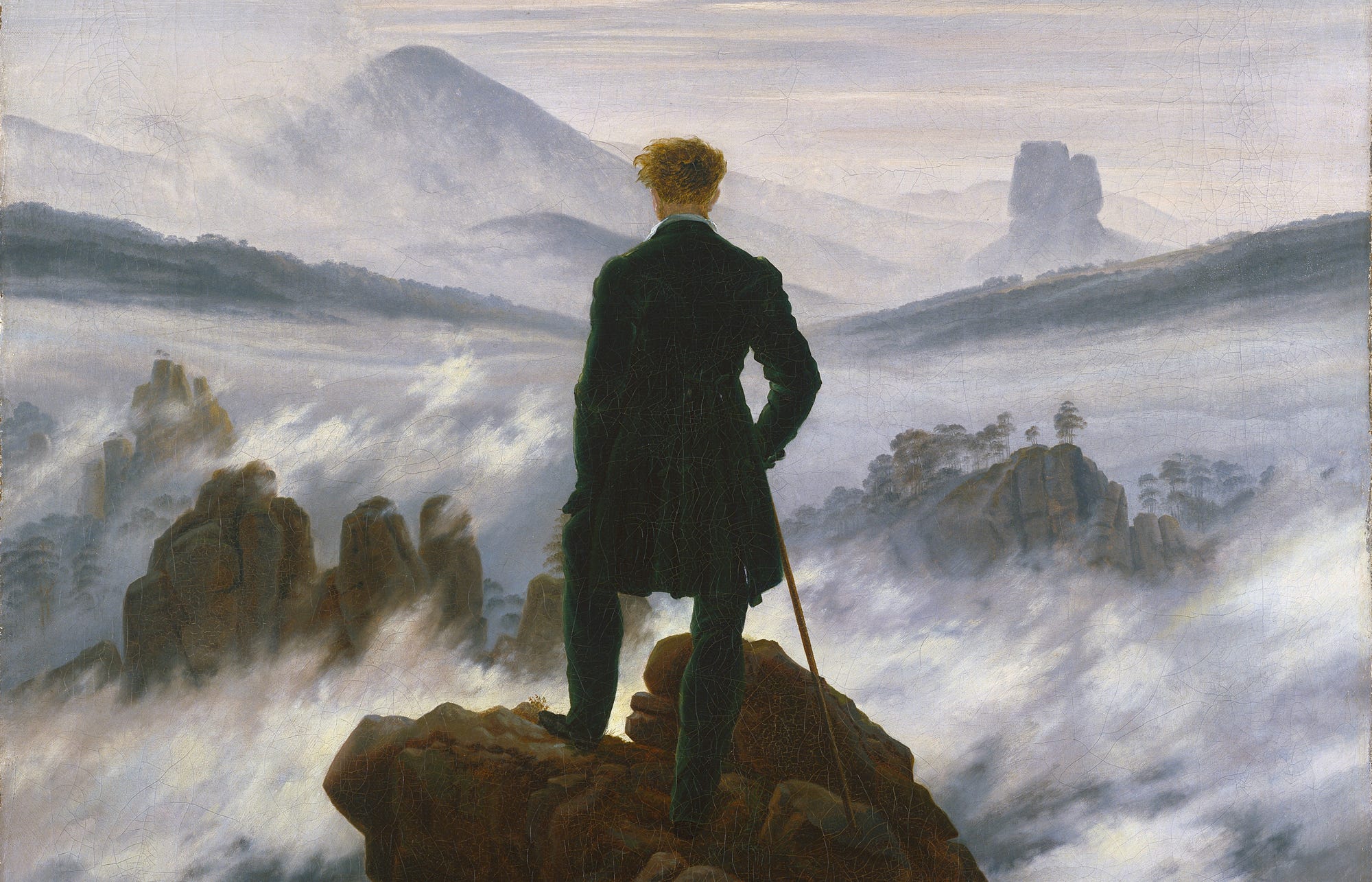
The Reveries emerged from Rousseau’s final period of exile and ostracism, when former friends had turned against him and Parisian society had branded him a pariah. Rather than simply lashing out at his persecutors, Rousseau turns inward, seeking solace in nature and self-examination. His solitary walks become both literal journeys through the French countryside and metaphorical expeditions into the depths of his own consciousness. In these moments of reverie, he discovers fleeting glimpses of the happiness and authenticity that had eluded him in the social world: what he calls the “sentiment of existence” stripped of all external complications.
Nearly a century later, this predicament of the solitary walker finds a darker, more corrosive echo in Fyodor Dostoyevsky’s Underground Man. Where Rousseau seeks refuge in nature’s embrace, the Underground Man retreats into the suffocating confines of his Petersburg cellar. Both figures embody a similar contradiction: they flaunt a loneliness that is simultaneously forced upon them by society’s rejection and self-imposed through their own misanthropy. Yet despite their proclaimed disdain for human company, their profound sense of loss and desperate longing for genuine human connection pervades everything they write.
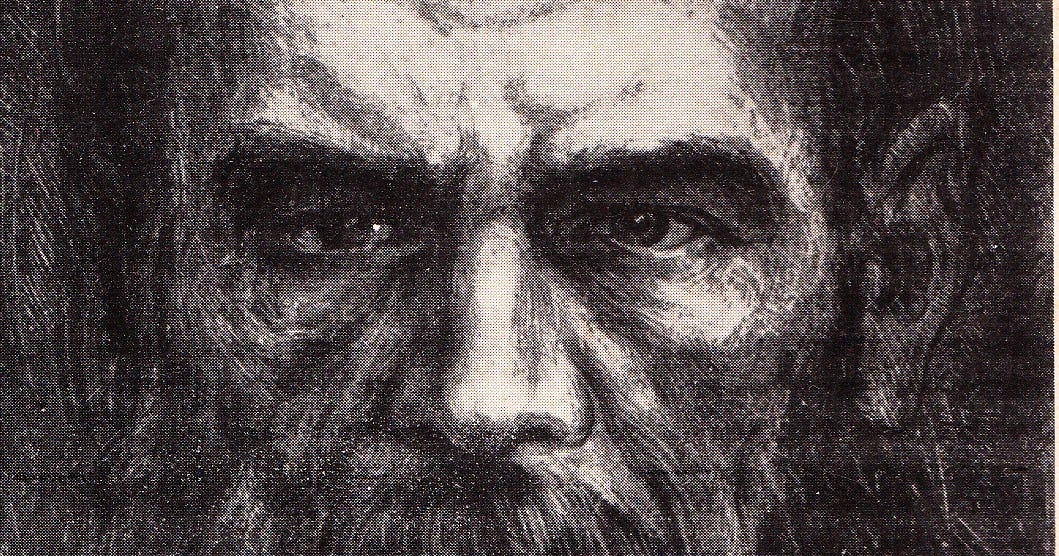
The Underground Man’s spiteful monologues and his humiliating encounters with former schoolmates reveal the same fundamental hunger that drives Rousseau’s reveries: the desire for authentic relationship in a world that seems to offer only artifice and betrayal. Both men are exiles from the communities they simultaneously reject and crave, caught in the paradox of needing the very thing they’ve learned to distrust.
In the Reveries, Rousseau bares these contradictions with utmost honesty: his flight into solitude as both liberation and punishment, his yearning to belong warring with his inability to trust, his dream of happiness found in pastoral retreat yet perpetually shadowed by the reality of exile. He writes as a wounded soul seeking to understand the peculiar alchemy by which isolation can breed both wisdom and anguish, how the rejection of society can lead paradoxically to a deeper understanding of what true society might be.
I find Rousseau’s dilemma extremely relevant today. How to maintain one’s integrity while remaining open to love? How to reject false community while still seeking true communion?