

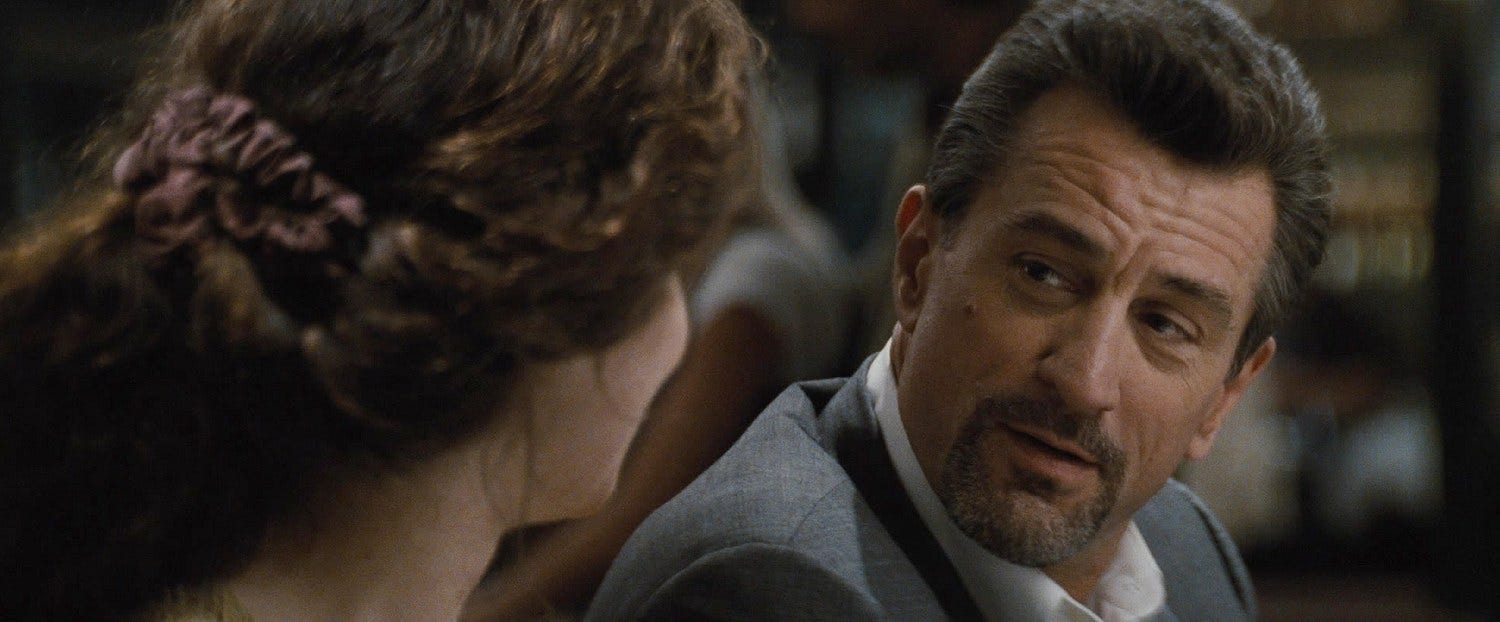
There's something so fantastic about watching Michael Mann’s Heat. Maybe it's the way De Niro and Pacino sit across from each other in that coffee shop, two absolute titans of cinema trading philosophy like old friends who know they're destined to destroy each other. Or perhaps it's the realization that this moment, this perfect convergence of master director and legendary performers feels impossibly distant from our current cinematic landscape.
My heart aches at the thought of what we are about to lose (or have already lost). Not just the films, but the very possibility of them. When Martin Scorsese gathered Robert De Niro, Al Pacino, and Joe Pesci for The Irishman, it felt like witnessing the final performance of a dying breed. These weren't just actors. They were cinema itself, made flesh, giving us one last dance before the curtain falls.
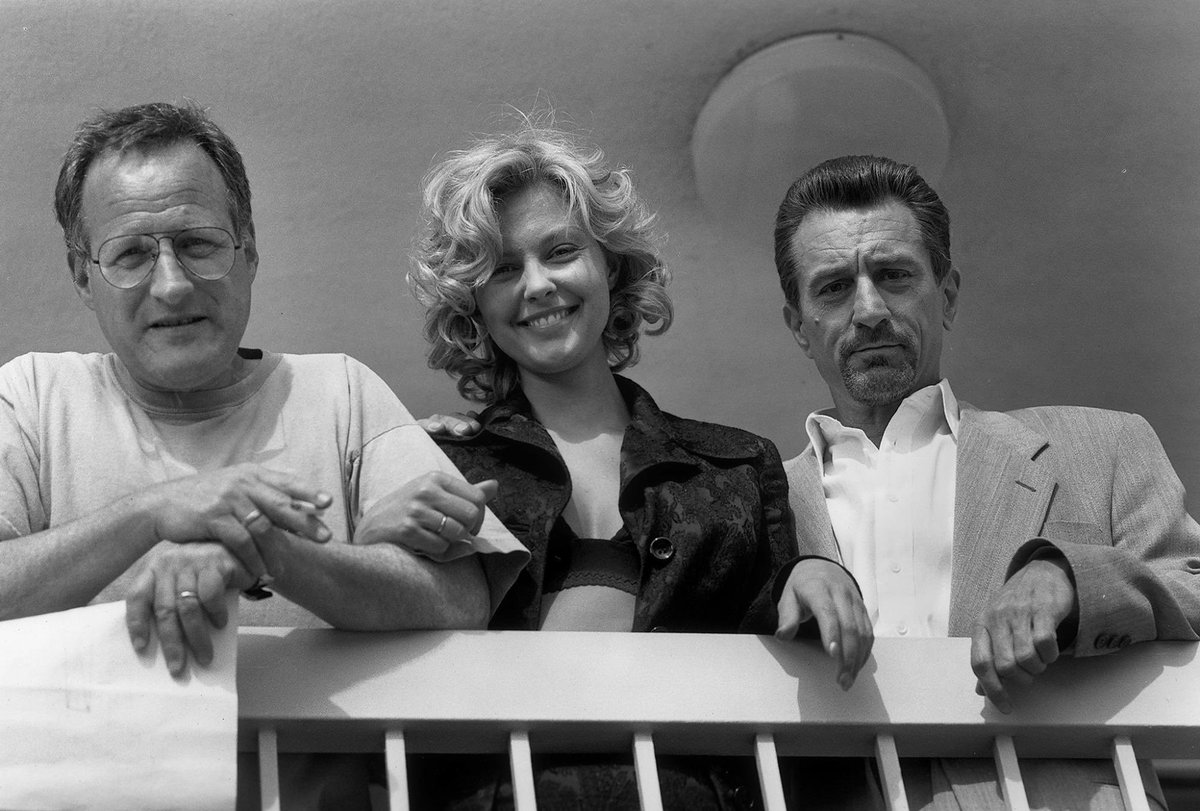
What made Heat transcendent was obviously the technical expertise of Michael Mann, the brilliant action set pieces, the story and so on but it was also the magnetic screen presence that both Pacino and De Niro commanded. They belonged to an era when actors were forces of nature who could bend entire scenes to their will through sheer charisma. Michael Mann understood this, crafting his crime epic around the electricity that crackled between these two legends.
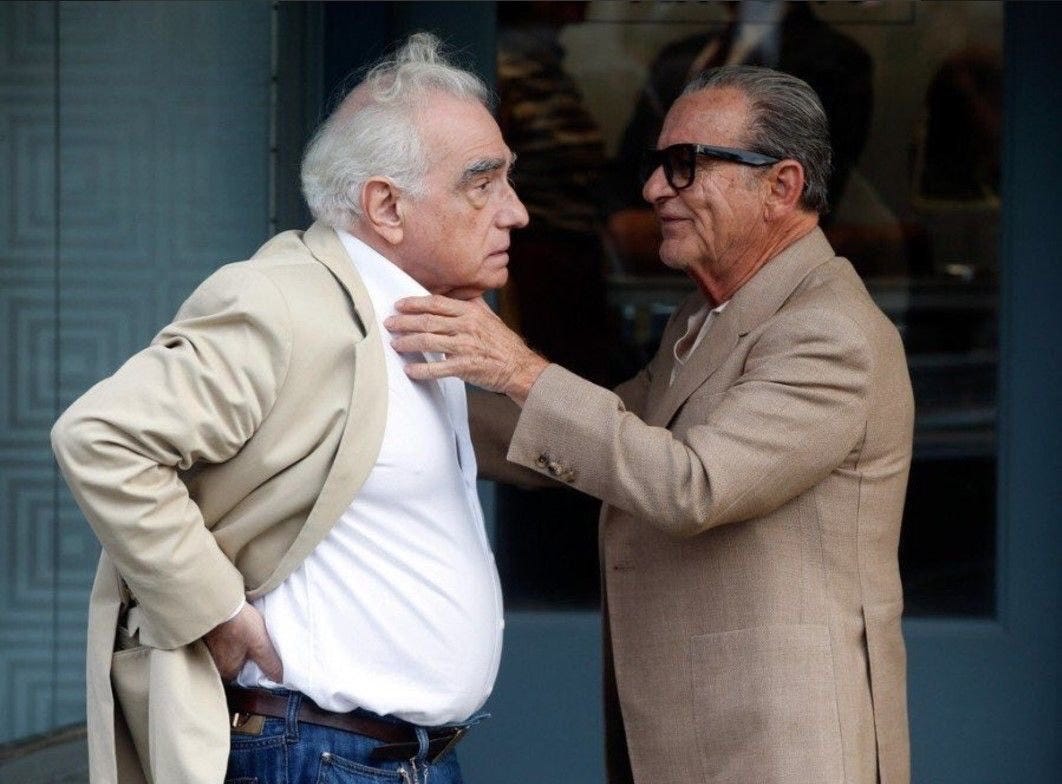
The Irishman proved this magic still existed, even in their later years. The film marked "the ninth collaboration between Scorsese and De Niro" and brought together actors who had spent decades defining what cinematic greatness looked like. But it also felt like an elegy, a recognition that such collaborations between director and actor, built over decades of shared artistic vision are becoming rare or rather quite extinct.
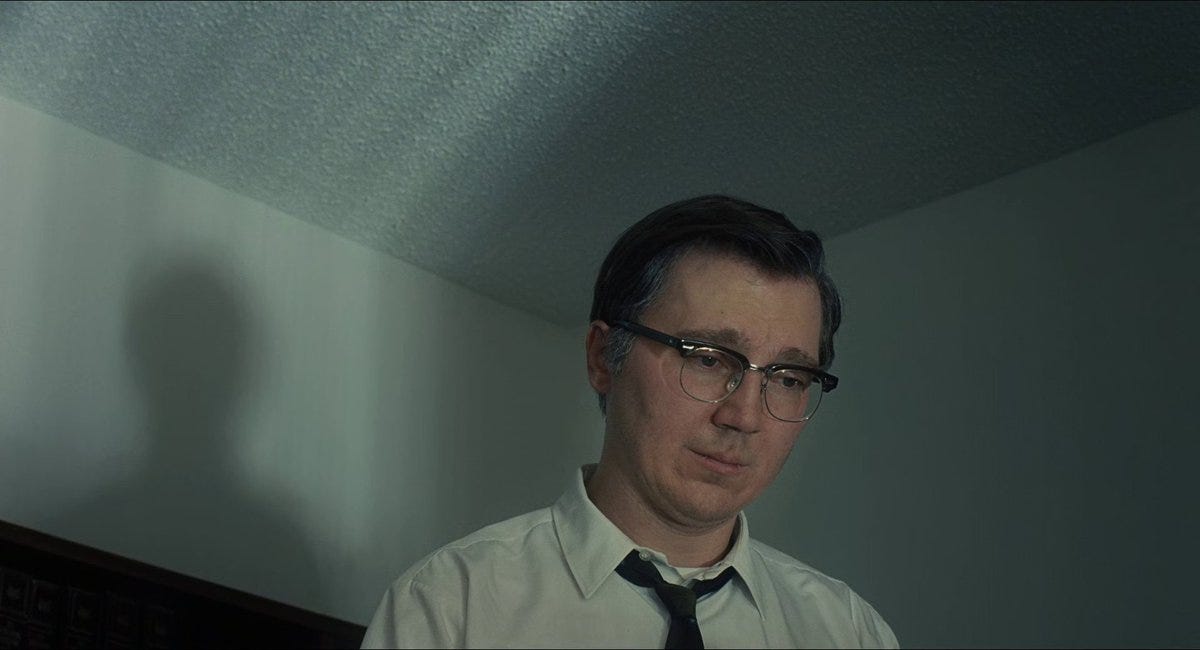
The Fabelmans offered a different but equally authentic moment. Spielberg's semi-autobiographical masterpiece featured Gabriel LaBelle, Michelle Williams, Seth Rogen, and Paul Dano in a deeply personal story about the power of cinema itself. It reminded us why we fell in love with movies in the first place, even as it acknowledged that such intimate, director-driven storytelling faces an uncertain future.
Contemporary cinema suffers from what critics call the creativity crisis: an industry obsession with "safe storytelling" that prioritizes franchise-building over genuine human connection. Where once we had the unpredictable intensity of a Pacino performance or the methodical precision of De Niro's character work, today's films often feel "manufactured" rather than inspired.
The problem is about the entire ecosystem that once nurtured these kind of collaborations. Modern movies simply "don't feel like movies anymore" because they're created in a system that values algorithmic predictability over the kind of risk-taking that produced these gems. As one critic noted, contemporary films often feel "weightless" and "trivial," lacking the conviction that made classic cinema feel essential.
Today's actors seem different because they face different challenges. They're often typecast into franchise roles or subjected to the "same faces over and over again" phenomenon that makes it difficult to disappear into characters. The industry's focus on "content" over artistry has created a generation of performers who may be technically skilled but lack the indefinable magnetism that made their predecessors legends.
Perhaps most heartbreaking is the disappearance of the long-term creative partnerships that defined great cinema. Scorsese and De Niro's collaboration spanned decades, allowing them to develop a shared artistic language that produced masterpieces like Taxi Driver, Raging Bull, Goodfellas and Casino. These relationships took time to mature, requiring the kind of artistic patience that today's industry rarely permits.
Is cinema dead? Or just hiding? Independent filmmakers still pursue the kind of authentic storytelling that once defined Hollywood. Streaming platforms do occasionally produce works of genuine artistry, even if they're buried beneath algorithmic recommendations. The hunger for real movies persists, even if the industry struggles to satisfy it. Just as the golden age of Hollywood eventually gave way to the New Hollywood of the 1970s, I hope our current moment of transition may eventually produce its own masters. The question is whether we'll recognize them when they arrive.
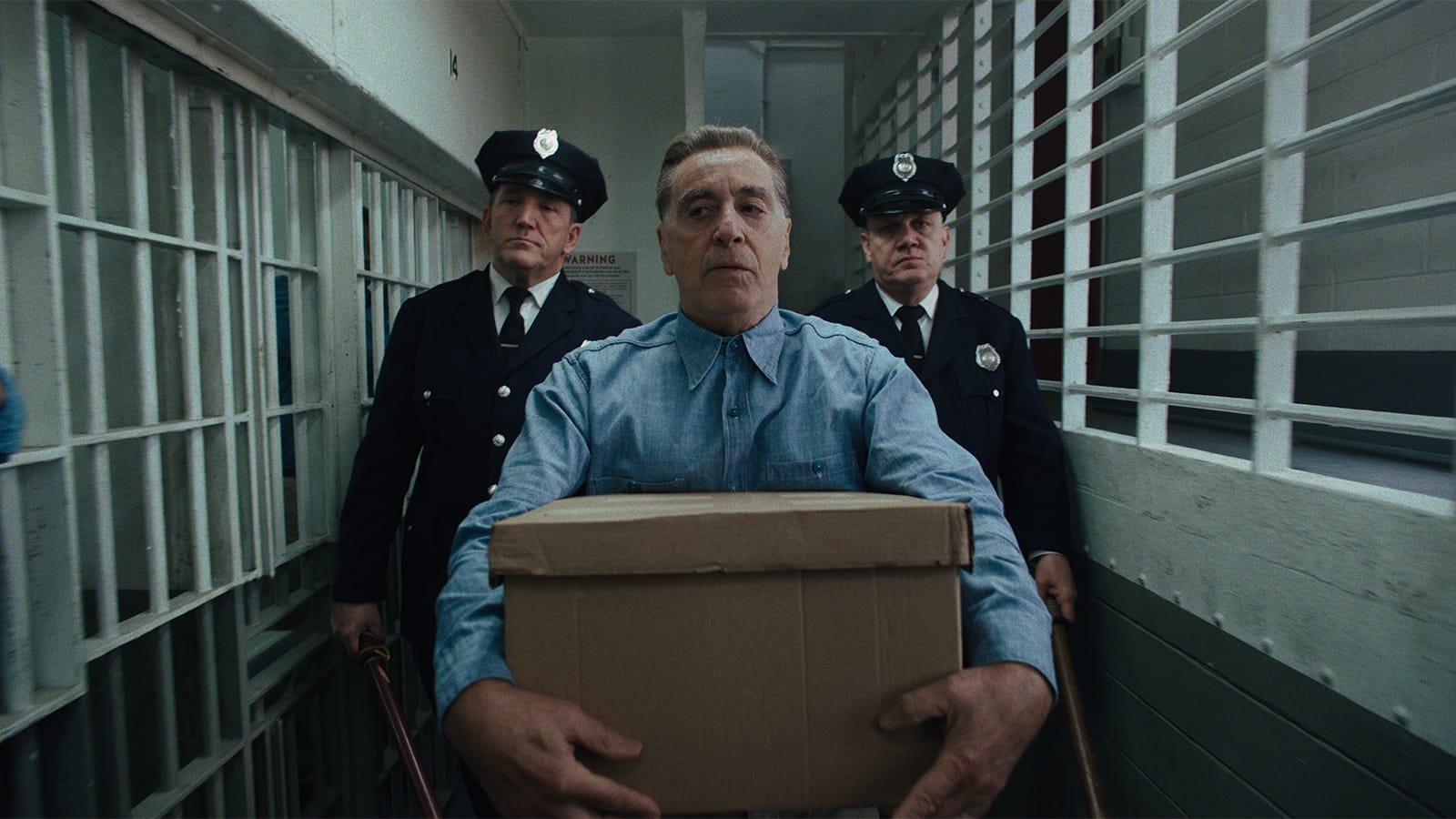
The magic of The Irishman, Heat, and The Fabelmans lies in their reminder of what cinema can be when it's created with genuine passion and artistic conviction. They stand as absolute monuments to a particular kind of filmmaking: one that prioritized character over spectacle, story over formula, and human truth over market research.
We may never again see the specific combination of talent that produced these films, but the impulse that created them, the desire to tell stories that matter, to capture something profound about the human experience remains eternal. That's the real legacy of these masters or the movie brats: their demonstration that cinema, at its best, is an art form capable of touching the deepest parts of our souls.
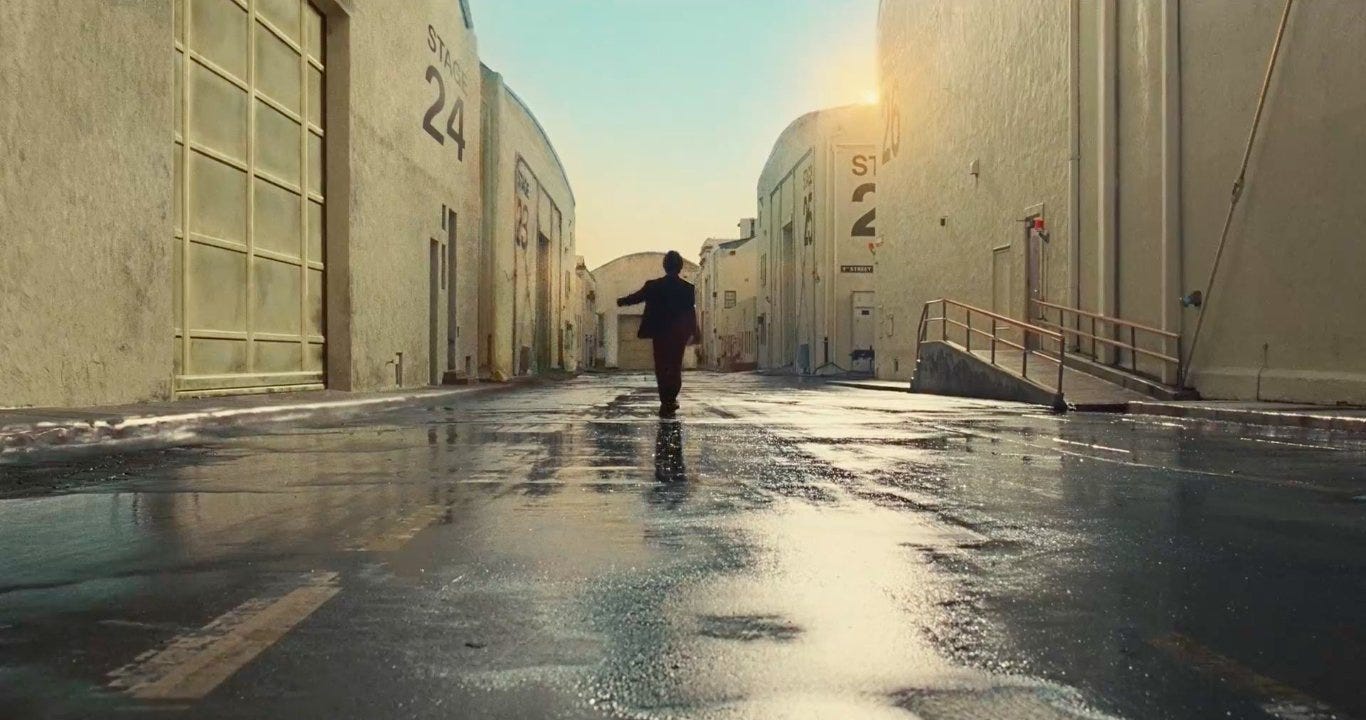
The heart may cry for what we've lost, but it should also celebrate what we've been given. These films exist. They can be watched, rewatched, studied, and loved.