I recently finished Down There (originally titled "Là-Bas") by Joris-Karl Huysmans, and I'm still processing this fascinating dive into the darker corners of spirituality. There's also something eerily fitting about reading the book while living in Paris, especially during those gray, misty days when the city seems to embrace its darker history. Published in 1891, the novel caused quite the scandal in its time, and I can see why — its detailed explorations of satanism and moral depravity must have been so shocking to 19th-century readers.
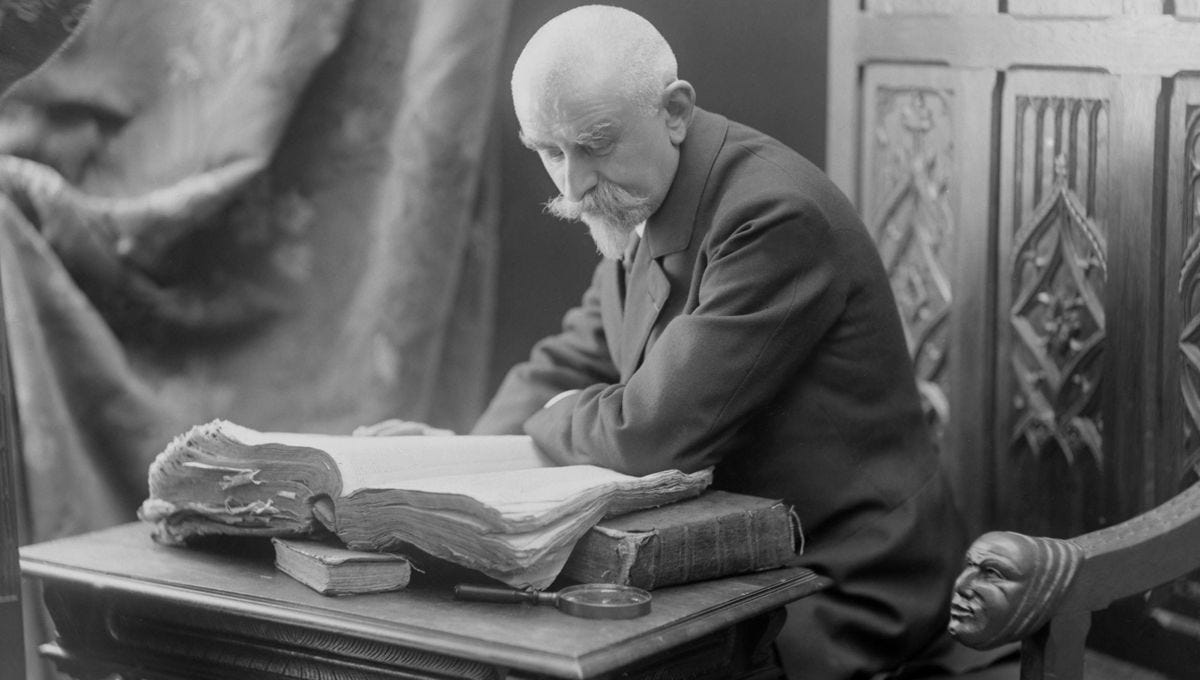
The story follows Durtal, a writer researching the life of Gilles de Rais, a 15th-century nobleman who fought alongside Joan of Arc before becoming infamous for horrific crimes against children. What begins as historical research leads Durtal into contemporary explorations of satanism in fin-de-siècle Paris, especially after he becomes involved with a mysterious woman named Hyacinthe who eventually introduces him to a black mass.
What fascinated me most was how Huysmans uses this dark material to explore deeper questions about faith and meaning. The novel isn't just about shock value (though there's plenty of that). Instead, it uses the extremes of human behavior to contrast spiritual emptiness with religious devotion. Durtal's conversations with his friends, particularly the bell-ringer Carhaix and the doctor des Hermies, create this rich dialogue about modernity versus tradition, science versus faith.
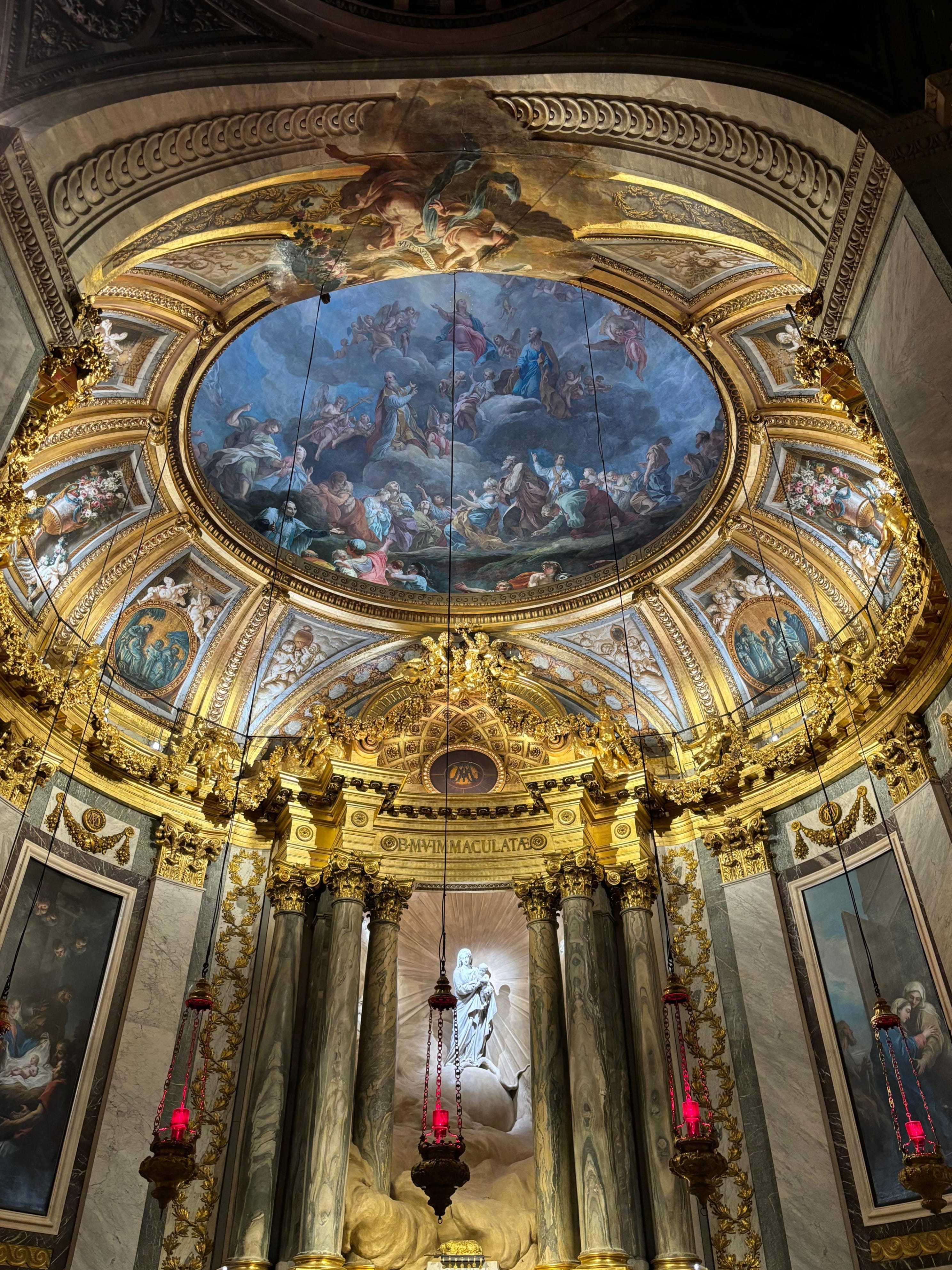
Reading about Durtal's visits to Saint-Sulpice's bell tower while having visited the church before created an uncanny connection across time. Huysmans has this ability to make you feel like you're actually there, whether in Carhaix's bell tower or at the disturbing black mass.
The translation occasionally felt a bit dated, but it still conveyed the vividness of the original French. The novel also sits interestingly within literature history. Oscar Wilde famously referenced it in The Picture of Dorian Gray as the "yellow book" that corrupts Dorian, and more recently, Michel Houellebecq has drawn attention to it in Submission. It's also the first in Huysmans' series of four novels that trace his own spiritual journey from skepticism back to Catholicism.
Down There is certainly not an easy read, but it can be tremendously rewarding for some. It's fascinating to see how Huysmans combines historical research with psychological exploration, creating something that feels both scholarly and deeply personal. If you're interested in the French Decadent movement or simply want a novel that explores spirituality from an unusual angle, I'd definitely recommend reading it.