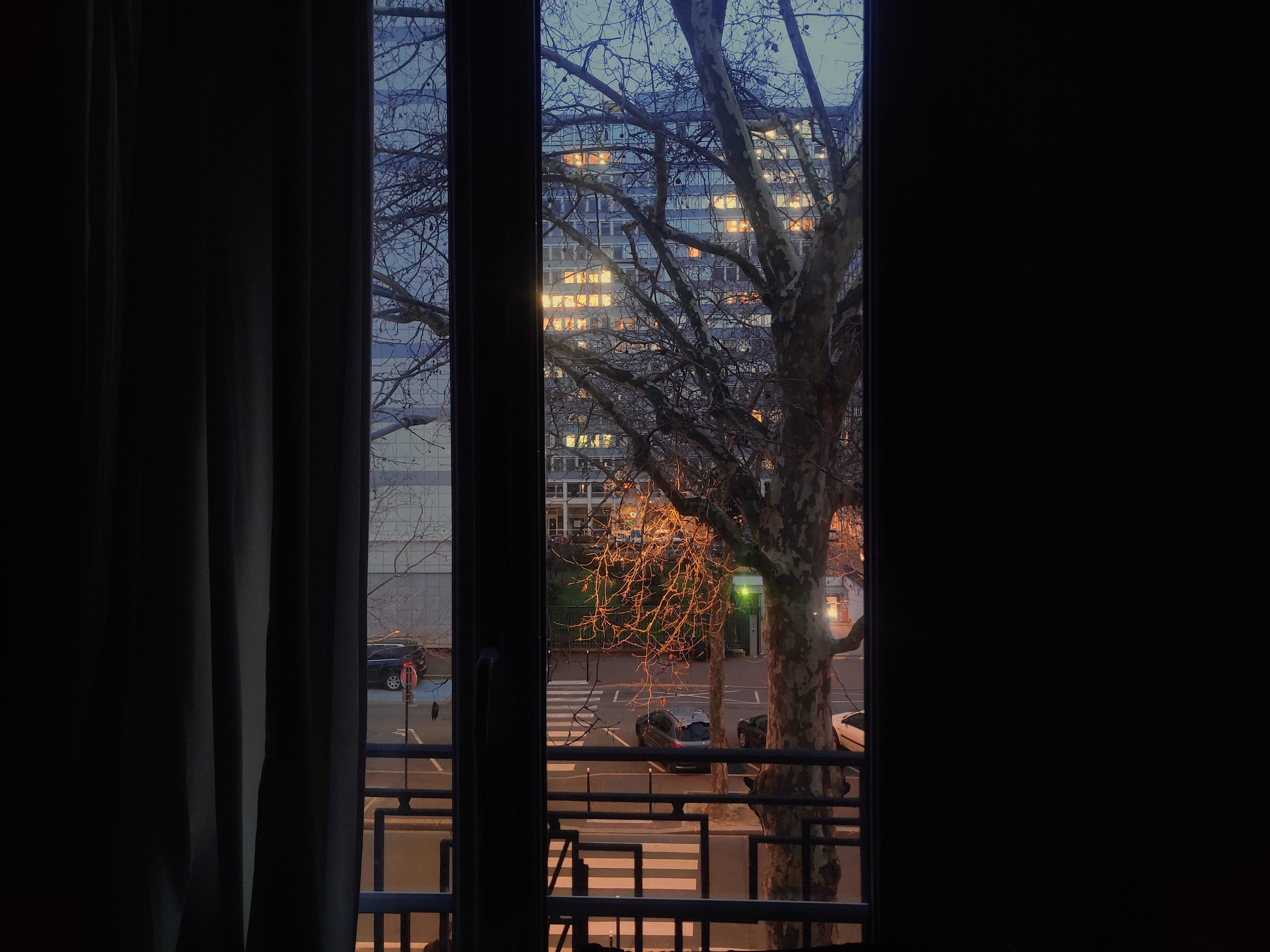
There is a strange guilt that often accompanies doing nothing. Our weekends have somehow become extensions of our productivity-obsessed lives. I wish to explore the value of intentional idleness and why reclaiming our weekends as spaces for "non-doing" might be one of the radical acts of self-care in our perpetually occupied lives.
Living in Paris for the past two years has given me a unique perspective on the social ritual of recounting one’s weekend. Here, the question “How was your weekend?” often feels loaded with unspoken expectations. In France, and especially in Paris, weekends are seen as precious opportunities to enjoy life to the fullest, whether that means visiting a new exhibition, strolling through a park, or gathering with friends at a café. The city itself seems to invite activity, with its endless array of museums, parks, and events, making it easy to feel that simply staying home is somehow missing out. There’s an unspoken pressure to have a story ready: a new restaurant tried, a cultural event attended, or at least a leisurely walk along the Seine.
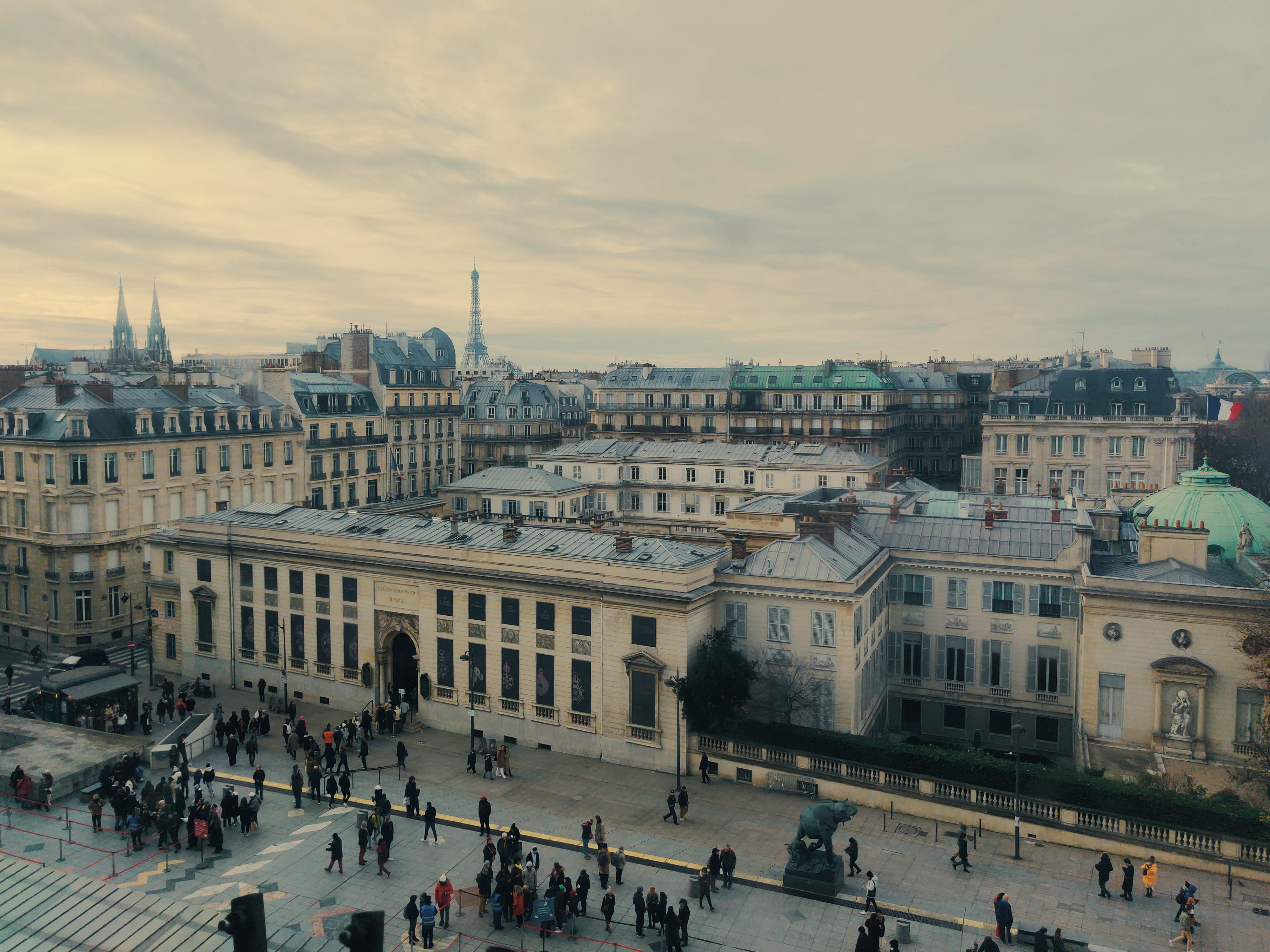
The French lifestyle celebrates the art of living well, balancing obligations with pleasure, but even this balance can come with expectations. The idea of “faire rien,” or doing nothing, is sometimes misunderstood. While philosophers like Aristotle and Seneca praised leisure as essential for a meaningful life, modern attitudes, shaped by both history and the ever-present influence of social media, often equate rest with laziness. I’ve noticed that when I answer honestly and say, “I did nothing this weekend,” it’s met with surprise or gentle teasing. There’s a subtle sense that I should have been out enjoying the city’s offerings. It’s a paradox: in a culture that officially protects personal time and encourages savoring life, there’s still an undercurrent suggesting that weekends should be filled with stories worth sharing.
This subtle anxiety, this sense that unstructured time is somehow wasted, does not come from genuine need, but from an internalized work ethic that knows no boundaries. When I choose to embrace weekend idleness, I'm not just resting; I'm engaging in a subtle form of resistance against a system that values humans primarily as economic units. As Bertrand Russell noted in his essay "In Praise of Idleness," there is "far too much work done in the world" and "immense harm is caused by the belief that work is virtuous".
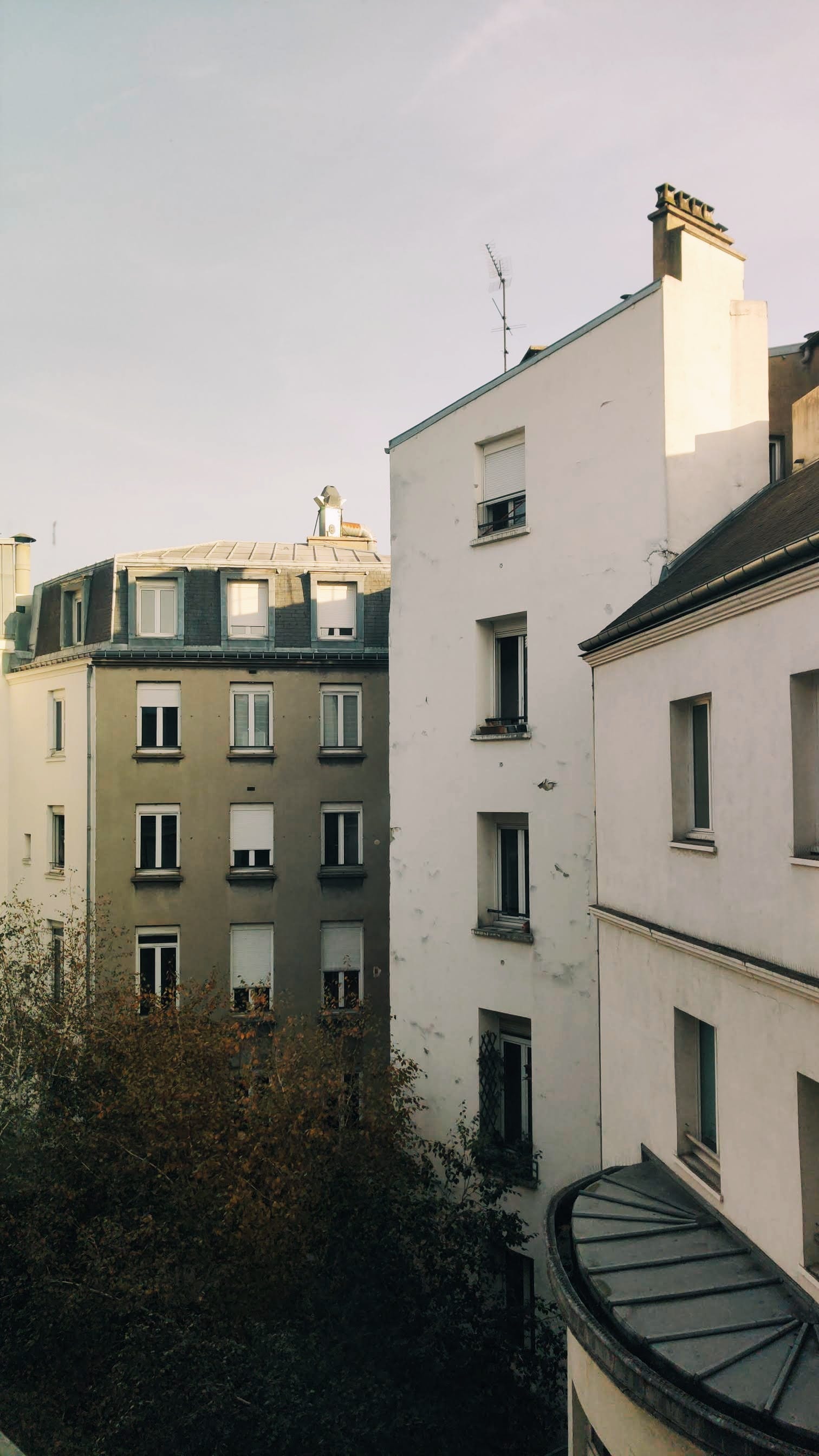
In practice, I try my best to exist without an agenda. I might sit by the window watching people go by, or read at a slow pace without simultaneously checking emails or planning the week ahead. There's a huge difference between this intentional idleness and mindlessly scrolling through social media to "relax." True idleness is about being present, not about filling time with distractions.
Practicing Intentional Weekend Idleness
So how might we reclaim our weekends as spaces for meaningful idleness? I've found several approaches helpful:
Distinguish between empty busyness and genuine rest. Scrolling social media for hours isn't idleness: it’s often a way to numb ourselves while keeping our minds just busy enough to avoid deeper thoughts.
Create a protected space for non-doing. This might mean declining invitations, turning off notifications, or even scheduling "nothing time" in my calendar to prevent other activities from creeping in.
Practice self-compassion around idleness. When the guilt arises (as it inevitably does), I remind myself that rest isn't a reward for productivity, it’s a necessary part of being human.
Conclusion
This weekend philosophy isn't about rejecting all activity or responsibility. It's about creating a more honest relationship with time, energy, and purpose. Some weekends might be filled with friends, adventures, and projects that bring genuine joy. Others might be dedicated to the profound art of doing absolutely nothing.
As I finish writing this essay during a long weekend, I'm looking forward to a few hours of intentional idleness before the week begins again. No plans, no goals, no productivity metrics. Just being present with myself, allowing my thoughts to wander where they will.