

Not to be dramatic but this Louis Malle film changed the trajectory of my life. Two men, one restaurant, and 110 minutes of conversation that becomes more riveting than most thrillers out there. It’s a film that defies every conventional wisdom about what audiences want, and it endures as one of the most profoundly moving meditations on friendship, authenticity, and what it means to truly live.
The film emerges from the real friendship between Wallace Shawn and Andre Gregory, who co-wrote the screenplay based on their actual conversations. Shawn plays a version of himself: a struggling playwright and actor trudging through the mundane rhythms of New York life, reluctantly meeting his old friend Andre (Gregory) for dinner. What unfolds is a philosophical dialogue, a meeting of two worldviews that couldn’t be more different yet somehow illuminate each other perfectly.
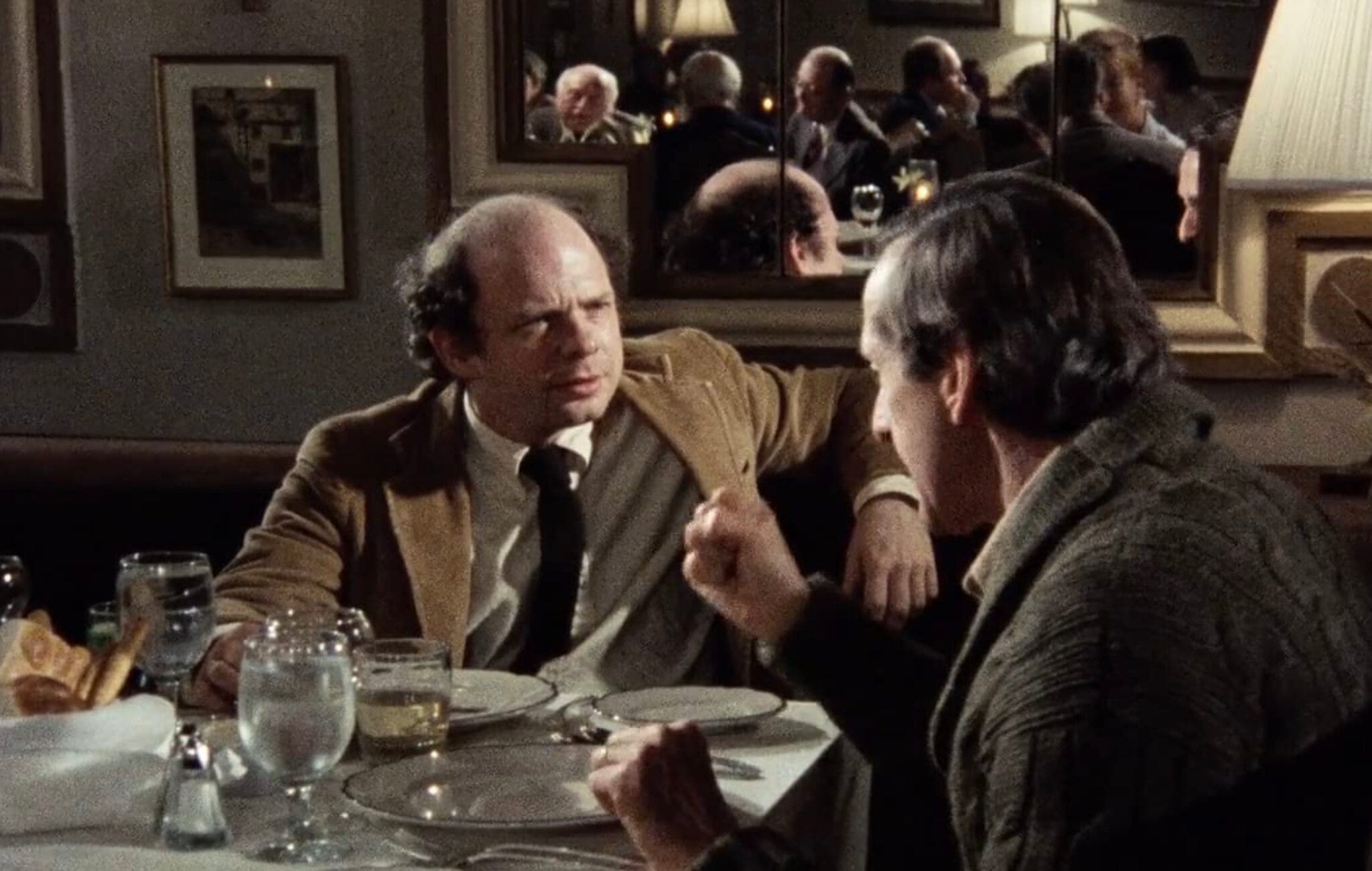
Andre has spent years pursuing transcendent experiences: experimental theater in Poland, spiritual quests in the Sahara, encounters with mysterious monks in Tibet. He speaks with the fervor of someone who has touched something beyond ordinary existence, yet there’s an underlying desperation in his searching. Wallace, meanwhile, represents the comfortable numbness of routine: his morning coffee, his girlfriend Debby, his small apartment with its electric blanket. He’s suspicious of Andre’s grand adventures, defensive about his own modest contentments. I should also mention how there’s an entire philosophical argument that happens around an electric blanket.
Andre’s criticism of modern life’s spiritual emptiness rings true, but his solutions often sound privileged and self-indulgent. Wallace’s defense of simple pleasures has genuine wisdom, but it also masks a fear of genuine engagement with life’s larger questions. The film doesn’t resolve their differences so much as reveal them as complementary ways of being human.
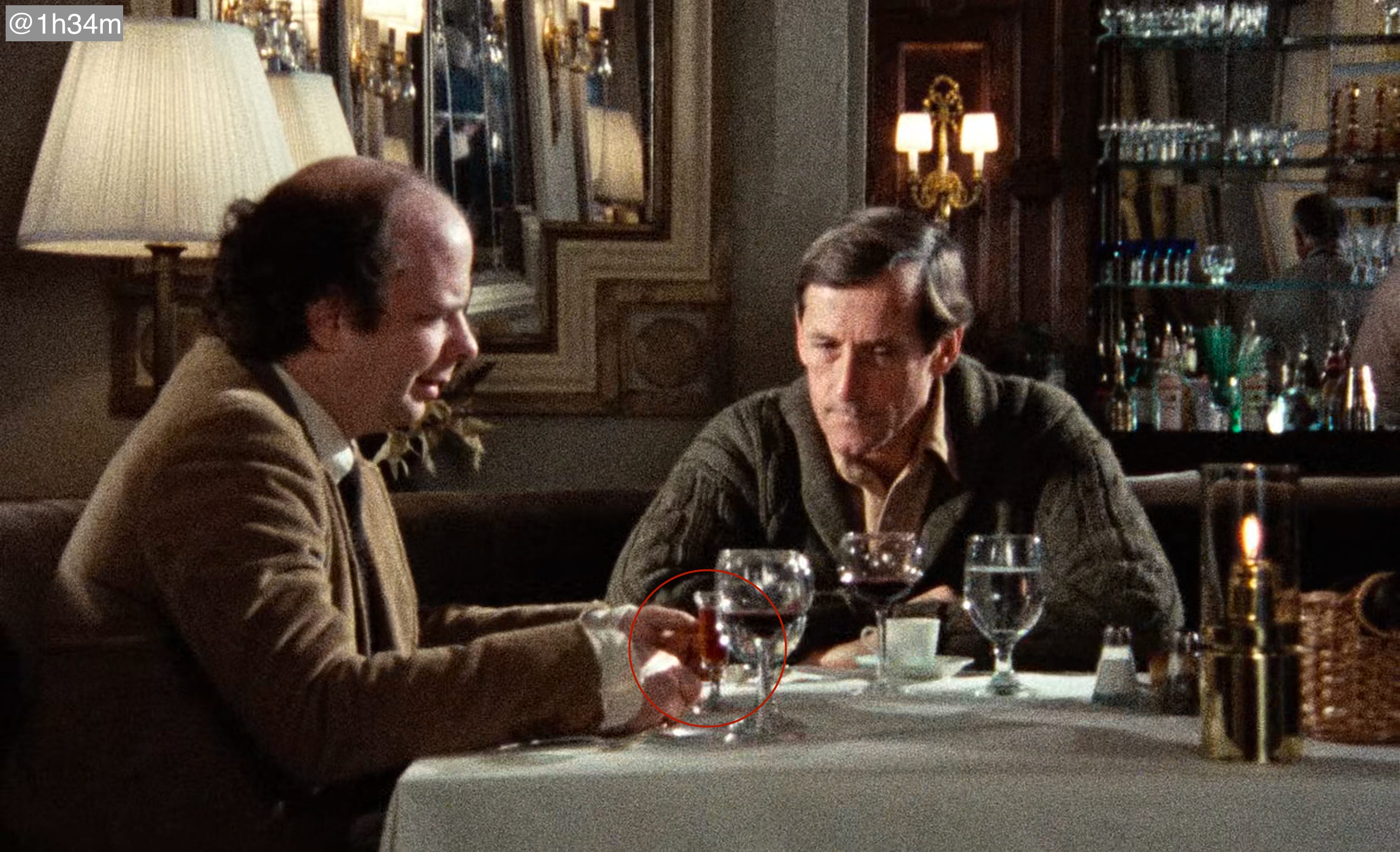
The culture clash between Andre’s spiritual seeking and Wallace’s bourgeois pragmatism generates genuine humor. But it’s also deeply serious about questions that most films avoid: What does it mean to be alive rather than merely existing? How do we maintain authenticity in a world that seems designed to numb us? Can friendship survive fundamental differences in how we choose to live?
What I absolutely loved is how it validates both perspectives. No one is right or wrong. It shows how an honest conversation between people who care about each other can bridge even the most profound differences in worldview.
Andre’s Final Monologue
Andre’s closing monologue about sex, relationships, and the terror of uncertainty represents the philosophical and emotional heart of the entire film. After hours of mystical stories and theatrical adventures, Andre finally arrives at the most intimate and universal truth: our desperate need for certainty in the face of life’s fundamental unpredictability.
Here’s the ending monologue:
Andre: You know, in the sexual act there’s that moment of complete forgetting, which is so incredible. Then in the next moment you start to think about things: work on the play, what you’ve got to do tomorrow. I don’t know if this is true of you, but I think it must be quite common. The world comes in quite fast. Now that again may be because we’re afraid to stay in that place of forgetting, because that again is close to death. Like people who are afraid to go to sleep. In other words: you interrelate and you don’t know what the next moment will bring, and to not know what the next moment will bring brings you closer to a perception of death!
You see, that’s why I think that people have affairs. Well, I mean, you know, in the theater, if you get good reviews, you feel for a moment that you’ve got your hands on something. You know what I mean? I mean it’s a good feeling. But then that feeling goes quite quickly. And once again you don’t know quite what you should do next. What’ll happen? Well, have an affair and up to a certain point you can really feel that you’re on firm ground. You know, there’s a sexual conquest to be made, there are different questions: does she enjoy the ears being nibbled, how intensely can you talk about Schopenhauer in some elegant French restaurant. Whatever nonsense it is. It’s all, I think, to give you the semblance that there’s firm earth.
Well, have a real relationship with a person that goes on for years, that’s completely unpredictable. Then you’ve cut off all your ties to the land and you’re sailing into the unknown, into uncharted seas. I mean, you know, people hold on to these images: father, mother, husband, wife, again for the same reason: ’cause they seem to provide some firm ground. But there’s no wife there. What does that mean, a wife? A husband? A son? A baby holds your hands and then suddenly there’s this huge man lifting you off the ground, and then he’s gone. Where’s that son?