
Cinema is Dying
The Decline of Creative Risk in an Industry Obsessed with Algorithms and Franchises

Are we witnessing the final breaths of an art form that once defined our cultural landscape?
There exists today a paradox in the film industry: as our technical capabilities to create visual marvels expand, the soul of cinema contracts. Studios now employ AI to analyze scripts, predicting commercial success with cold, algorithmic precision before a single frame is shot. To be honest, I cannot even wrap my head around that fact. The human element of creative risk, that beautiful uncertainty that led to such classics is being methodically engineered out of existence.
The resurrections (cash grabs) of old IPs rarely honor their source material; instead, leaving an off-putting stain on the franchises. Disney continues to remake classic and successful films rather than creating new stories for new generations. This betrays not only the original works but also the potential for contemporary creations to flourish.
With the rise of OTT platforms, the traditional movie/cinema hall industry has taken a hit. The communal experience of cinema that I grew up with in a culturally rich city like Pune, that sacred darkness I would share with strangers in small cinema halls, is being replaced by isolated viewing. Totally stripping films of their social dimension and transforming them into mere content. A massive worldwide pattern of recycling big stars and safe stories repeats over and over again.
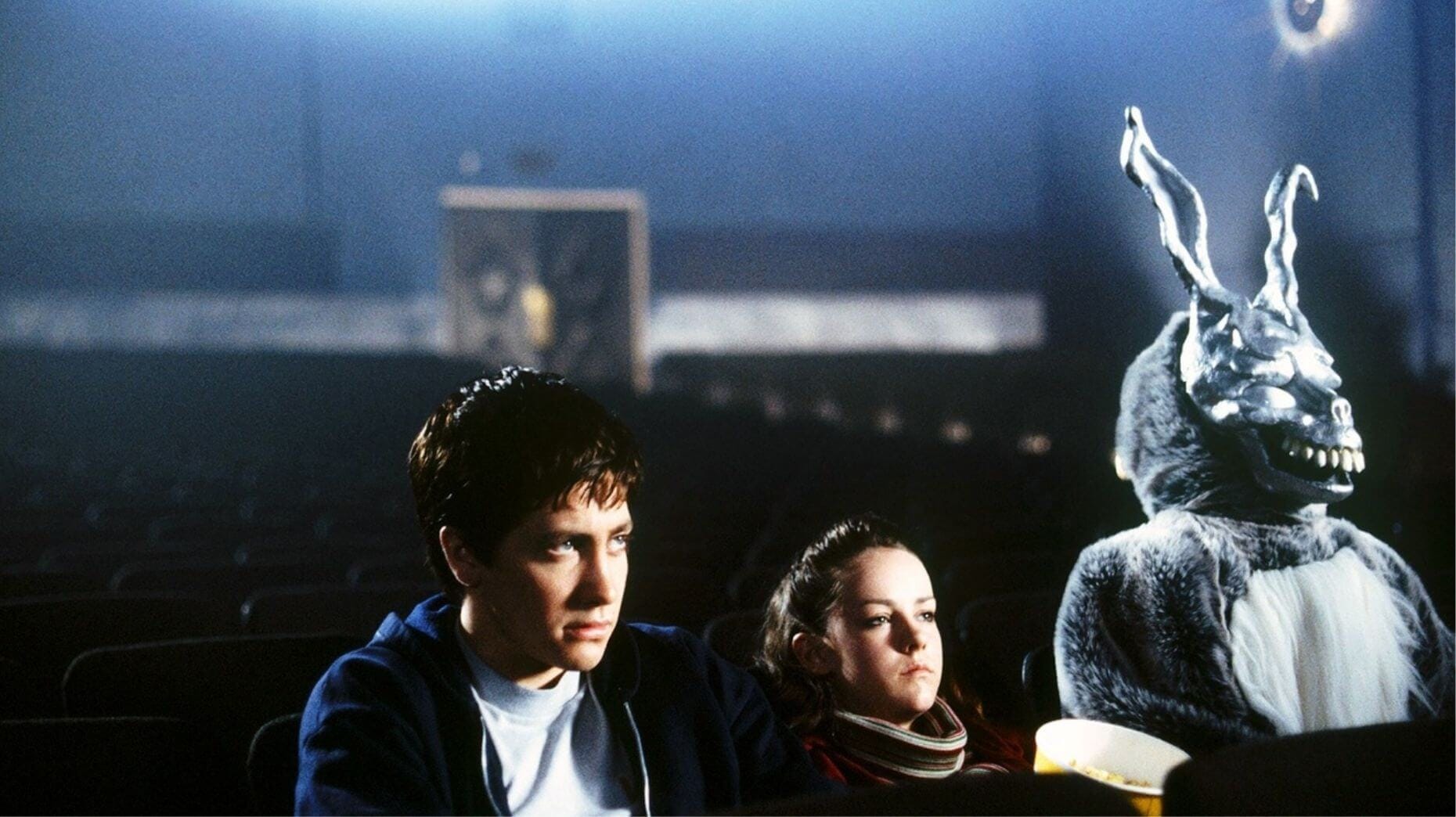
What pains me most deeply is the disappearance of the middle ground. Those mid-budget, character-driven films that once formed the backbone of cinema are becoming increasingly rare. J.J. Abrams declared "it was of vital importance that smaller films are protected, not forgotten in lieu of 'four-quadrant mega-releases.'" Yet this middle space continues to contract.
The studios that once nurtured the visions of auteurs like Scorsese, P.T. Anderson, and their ilk now allocate resources almost exclusively to franchise exploitation, leaving little oxygen for the kind of cinema that speaks to the human condition rather than spectacle.
I really miss those mid and low-budget films of the 2000s that weren't concerned with spawning sequels or selling merchandise but with exploring what it means to be human. Films like Juno, No Country for Old Men, Requiem For A Dream, Little Miss Sunshine, Eternal Sunshine of the Spotless Mind, Donnie Darko, Lost in Translation, and countless other films that defined the era.
I find myself thinking of Camus' Sisyphus, condemned to roll a boulder uphill for eternity. Perhaps lovers of true cinema are similarly fated, to search increasingly barren landscapes for those rare works that still embody the art form's potential. For cinema as we knew it may be dying, but I will continue to seek out those precious works that remind me why I fell in love with this art form in the first place.
References:
Patrick (Patrick H. Willems). (2023, November 17). Who is killing cinema? A murder mystery Video. YouTube.
Starburst Magazine. (2025, February 13). The rise of streaming services: How they are changing the film industry. Retrieved from https://www.starburstmagazine.com/features/the-rise-of-streaming-services-how-they-are-changing-the-film-industry/
The Hollywood News. (2025, January 10). The impact of streaming services on traditional cinema. Retrieved from https://thehollywoodnews.com/2025/01/10/the-impact-of-streaming-services-on-traditional-cinema/
FilmTrack Blog. (n.d.). Streaming platforms and their impact on the film industry. Retrieved from https://blog.filmtrack.com/industry-insights/streaming-platforms-and-their-impact-on-the-film-industry